The National Education Policy (NEP) 2020 has emerged as a transformative blueprint for the Indian education system, aimed at reshaping the way we approach teaching and learning in the 21st century. The policy is a forward-thinking initiative by the Government of India to create an inclusive, accessible, and quality-driven educational framework that nurtures the development of individuals at all stages of life. At JIMS VKII (Jagannath Institute of Management Sciences, Vasant Kunj, New Delhi), we understand that the future of education lies in adopting innovative, holistic, and student-centered practices, and we are excited to integrate the key elements of NEP 2020 into our academic environment.
This blog will explore how JIMS VKII is embracing the NEP’s vision and how the institution’s commitment to its values is set to shape the future of education for its students.
What is NEP 2020?
The National Education Policy 2020 is the first major overhaul of the Indian education system in more than three decades. The policy aims to provide a more flexible, multidisciplinary, and skill-focused education to students across all levels. Key aspects of the NEP include:
Multidisciplinary Learning: Encouraging students to explore a range of subjects across disciplines.
Holistic Development: Focusing not only on academics but also on the physical, emotional, and psychological growth of students.
Vocational Education: Integrating skill-based learning with academic education to ensure employability and practical learning.
Technology Integration: Enhancing education through digital platforms and technology-driven tools.
Quality Higher Education: Reforms in higher education to make it more accessible, inclusive, and globally competitive.
As JIMS VKII is committed to fostering academic excellence, we are closely aligned with these objectives, working to integrate them into our programs and institutional ethos.
NEP at JIMS VKII: What It Means for Our Students
At JIMS VKII, we believe in providing students with a well-rounded education that prepares them for both the challenges and opportunities of tomorrow. The NEP 2020 aligns seamlessly with our values and vision. Here is how the NEP will have a profound impact on our academic environment:
1. Multidisciplinary Education and Flexibility
One of the most groundbreaking aspects of the NEP is its emphasis on multidisciplinary education. The policy encourages students to pursue subjects from diverse fields of study, fostering well-rounded learning experiences. This flexibility empowers students to tailor their education to their interests and career aspirations, breaking the barriers of traditional disciplinary silos.
At JIMS VKII, we are already working to build interdisciplinary courses that allow students to engage with different subjects. For example, students in our management programs will have the option to study electives from areas such as Humanities, Technology, Design, and Social Sciences. This integration of disciplines will not only provide students with diverse perspectives but also help them develop Critical Thinking, Problem-Solving, and Creativity-skills that are crucial for success in today’s dynamic job market.
2. Enhancing Vocational Education and Skill Development
A major focus of NEP 2020 is the inclusion of vocational education in mainstream education. By integrating skill-based learning with traditional academic disciplines, the NEP aims to ensure that students are not only knowledgeable but also employable. This is especially important in a world where industries are constantly evolving, and hands-on experience is just as crucial as theoretical knowledge.
At JIMS VKII, we are already ahead of the curve, offering programs that blend academic learning with industry-driven skills. With NEP’s emphasis on vocational courses, we plan to expand our curriculum to include more specialized, skill-based programs such as Digital Marketing, Data Analysis, Artificial Intelligence, and Entrepreneurship. These programs will ensure that our students are equipped with the practical skills needed for the ever-changing global job market.
3. Incorporating Technology in Education
The NEP emphasizes the integration of technology in education, encouraging institutions to use digital tools and platforms to enhance teaching and learning. This shift has become especially important in recent years, as technology plays an increasingly central role in the way we live, work, and learn.
At JIMS VKII, we have already integrated technology into our classrooms through online resources, digital libraries, virtual learning environments, and more. However, with the NEP’s focus on technology, we are planning to further expand our use of digital tools, providing students with the flexibility to access learning materials and engage with their professors virtually. We are also focusing on digital literacy, ensuring that our students are adept at using technology to enhance their academic performance and future careers.
4. Holistic and Inclusive Development
NEP 2020 underscores the importance of a holistic approach to education, one that focuses not only on academic success but also on the physical, emotional, and psychological development of students. The policy stresses the need to nurture well-rounded individuals who are not just good professionals but also responsible, compassionate, and engaged citizens.
At JIMS VKII, we are committed to this vision of holistic development. In addition to our strong academic programs, we offer a range of extracurricular activities, including sports, cultural events, leadership programs, and wellness initiatives. Moreover, we are also placing an increased focus on mental health support, offering counseling services, stress-management workshops and mentorship programs to ensure that our students can thrive in all aspects of life.
5. Research, Innovation, and Entrepreneurship
The NEP 2020 places a strong emphasis on research and innovation in higher education. The policy encourages institutions to foster a culture of research, creativity, and entrepreneurship, making higher education more relevant and impactful.
JIMS VKII is committed to cultivating an entrepreneurial mindset and fostering innovation among students. As part of our efforts to embrace the NEP’s vision, we are establishing incubation centers, innovation labs and collaborative spaces where students can work on projects, build startups and collaborate with industry experts. We aim to provide a platform where students can transform their ideas into real-world solutions, preparing them for leadership roles in the future.
6. Global Collaborations and Internationalization
The NEP 2020 also encourages internationalization of education, aiming to create global partnerships that expose students to diverse learning environments and perspectives. This aspect of the policy is designed to position Indian institutions as hubs of global academic excellence.
At JIMS VKII, we are looking to expand our network of international collaborations, providing students with opportunities for global exposure through exchange programs, internships, and collaborative research. These initiatives will enrich the student experience and broaden their horizons, making them more competitive in the global job market.
Conclusion: The Path Forward for JIMS VKII
As we embrace the principles of the National Education Policy 2020, JIMS VKII is committed to providing a cutting-edge education that prepares our students for success in an increasingly complex and interconnected world. The integration of multidisciplinary learning, vocational education, technology, and research will ensure that our students are not just academically proficient but also equipped with the skills and mindset needed to excel in their careers and contribute to society.
The NEP 2020 has presented an exciting opportunity for JIMS VKII to evolve and lead the way in transforming the future of education. As we continue to innovate and adapt, we remain focused on our mission of empowering students to become leaders, innovators, and responsible global citizens.
Stay connected with JIMS VKII to witness how we are shaping the future of education, one student at a time, in line with the vision of the NEP 2020.
In today’s digital era, media has become one of the most influential forces shaping society. From news reporting and investigative journalism to digital storytelling and content creation, journalism and mass communication have evolved significantly. With globalization and technological advancements, media professionals play a critical role in shaping public opinion, disseminating information, and influencing socio-political landscapes. This is why pursuing a course in Journalism and Mass Communication has become more relevant than ever.
Institutions like JIMS VK2, one of the best colleges in Delhi NCR, offer comprehensive programs that prepare students for dynamic careers in media. The Department of Journalism & Mass Communication at JIMS VK2, one of the finest in South Delhi, equips students with the necessary skills, knowledge, and industry exposure to excel in this ever-evolving field.
The Evolving Role of Media in the Global Market
Media today is more than just traditional journalism—it has expanded to include digital media, public relations, advertising, and corporate communication. In a world where information travels at lightning speed, the demand for skilled media professionals has skyrocketed. Journalism and Mass Communication graduates now find opportunities in various industries, including television, radio, print, digital platforms, and even multinational corporations looking for communication experts.
The Importance of Journalism and Mass Communication Courses
A structured journalism and mass communication course is crucial for understanding media ethics, storytelling techniques, and digital tools that enhance content delivery. Here’s why such courses matter in today’s global market:
Developing Critical Thinking and Analytical Skills Journalism is not just about reporting facts; it’s about analyzing information, verifying sources, and presenting balanced narratives. Courses in mass communication train students to think critically, question sources, and report with integrity.
Mastering Digital and Multimedia Skills The media landscape has shifted dramatically toward digital platforms. Today’s journalists and media professionals need to be adept in video production, social media management, podcasting, and digital marketing. Institutions like JIMS VK2 incorporate modern digital tools into their curriculum, ensuring students stay ahead in the industry.
Enhancing Communication and Public Speaking Abilities Journalism and mass communication programs focus on honing students’ verbal and written communication skills, preparing them for careers in broadcasting, public relations, corporate communication, and content creation.
Understanding Media Laws and Ethics In an age of misinformation, media professionals must be well-versed in ethical reporting, defamation laws, and responsible journalism. A structured course provides a strong foundation in media ethics, ensuring students practice fair and responsible journalism.
Diverse Career Opportunities A degree in Journalism and Mass Communication opens doors to numerous fields, including:
Print and broadcast journalism
Digital media and content creation
Public relations and corporate communication
Advertising and brand storytelling
Filmmaking and documentary production
Political communication and social advocacy
Why Choose JIMS VK2 for Journalism and Mass Communication?
When selecting a media institute, it’s essential to choose one that provides both theoretical knowledge and practical exposure. JIMS VK2 stands out as one of the top colleges in Delhi NCR for Journalism and Mass Communication due to the following reasons:
State-of-the-Art Media Labs: Equipped with advanced media production facilities, students gain hands-on experience in video editing, audio production, and newsroom simulations.
Expert Faculty: The department boasts experienced professionals who have worked in reputed media organizations, bringing real-world insights into the classroom.
Internship and Placement Assistance: JIMS VK2 has strong industry tie-ups, ensuring students receive internship opportunities with top media houses, advertising agencies, and digital platforms.
Workshops and Guest Lectures: Regular interactions with industry leaders help students stay updated on emerging trends in media and communication.
The Future of Media Careers
With rapid technological advancements and the increasing influence of social media, the future of journalism and mass communication is exciting. The industry is shifting towards data-driven journalism, AI-powered content creation, and immersive storytelling using virtual and augmented reality. As the demand for skilled media professionals grows, institutions like JIMS VK2 continue to bridge the gap by offering industry-relevant training and exposure.
If you are passionate about storytelling, content creation, and making an impact through media, consider enrolling in the Department of Journalism & Mass Communication at JIMS VK2. Explore how this dynamic field can shape your future and contribute to the evolving media landscape.
Are you ready to be a part of the next generation of media professionals? Start your journey at JIMS VK2 today!
Stress is the human response to a perceived threat or pressure that disrupts an individual’s physical or mental well-being. Having its root-cause in many life events or situations, it can potentially trigger severe anxiety and depression.
It tends to overpower you
when you feel you have little or no control over situation.
when you experience something unexpected or something new.
when you are going through tough life situations.
when you have many responsibilities that you find difficult to manage.
Whenever we experience an emotion that causes stress, our body releases Epinephrine and cortisol hormones. These hormones have long term effects on metabolism, functioning of the memory or blood sugar levels.
Symptoms of Stress
The stress symptoms could be physical, emotional and behavioral defined as follows:
Shortness of breath: This condition causes rapid breathing which increases the heart rate and breathing rate in order to supply more oxygen to the muscles. This is the most common symptom of stress.
Sweating: The most common body symptom caused due to stress, sweating can occur all over the body but more commonly on palms.
Headaches or Stomachaches: Headaches or stomachaches are also the symptoms of stress/ anxiety.
Emotional Symptoms: A few of the emotional symptoms are as follows:
Stress can affect any age group be it a child, youth or an adult.
In today’s times, the most affected age group is the college students. There are several varieties of stressors amongst college students that impact their mental health. Some of these stressors are as follows:
Academics: All the higher education institutions play a pivotal role in the growth of any nation. Their growth, in turn, depends upon the success of their students. Consequently, the institutes of higher education develop curriculum that emphasizes both intellectual and personal growth and is implemented in the form of academic assignments, projects and activities. Such a huge amount of coursework stresses out students who were earlier not exposed to demands of academic rigor & competition , leading thereby to undue anxiety.
Parental Pressure: Pressure from parents is also one of the factors responsible for stress amongst the students.
Financial Constraints: Undergraduate courses in India, these days, are becoming increasingly expensive placing a significant financial burden on students and their families. This economic strain of exorbitant tuition fees and daily expenses tends to takes a toll on the mental and emotional well-being of parents.
Social Front: Adaptation to a new environment, making new friends, living with roommates, coping up with new social challenges are part of college life. All these changes can be exciting but also stressful for introverted or shy students.
Stress among college students can be managed using the following few tips:
Awareness amongst students: JIMS, VK-II offers guidance and support through regular mentoring sessions to help students manage stress and anxiety. Regular guest lectures by renowned industry professionals, life coaches and psychologists provide valuable insights, expert advice and new perspectives on personal growth, professional development and mental well-being.
Engagement in different activities: College organizes different kinds of activities for its students in order to promote their overall growth and development. These include both co & extracurricular activities such as debates, presentations and management games. Involvement in these activities takes away a major part of the stress from their being.
Engaging in selfless acts, it is said, can have a profound impact on one’s well-being. JIMS, VK-II, through its, ever active Rotaract club, is committed to bringing a positive change by way of involving the students with the community for many activities such as blood donation, literacy drives, medical aid to the needy, awareness campaigns related to environment etc. This also goes a long way in reducing stress and anxiety.
Providing Calm Environment: The college ensures that the ambience and infrastructure are conducive to learning; At JIMS, VK-II, there are no external/internal distractions as students engage in the process of learning. It motivates them to be regular in college. Jims VK-II is a green campus having a serene environment which makes the students connect with the college on more levels than one.
As a student, the idea of financial planning might seem irrelevant, since your entire focus is on academics, exams, and building your career. However, it is equally important to understand financial planning for your own future. The decisions you make today about money—whether it’s saving, budgeting, or investing—can have a long-term impact on your financial security.
At #JIMSVK2, we emphasize the importance of financial literacy for #BBAstudents. Whether you are managing pocket money, handling part-time earnings, or thinking about future investments, learning how to plan your finances at this stage will help you build a strong financial foundation for life.
1. Understanding Your Finances Early
The first step in financial planning is understanding where you stand financially. As a student you rely on pocket money or part-time jobs for your expenses. Keeping track of how much money comes in and how much goes out is important. Without this understanding, it’s easy to overspend, resulting in financial stress.
A simple way to start is by keeping a record of your monthly income and expenses. By tracking your spending, you can identify areas where you might be overspending, for example eating out frequently or buying unnecessary things. This can help you control your spending and set aside money for savings, even on a student’s budget.
2. Creating a Budget
After understanding your finances, it’s time to create a budget. A budget helps you plan how much money you need for your daily expenses, such as tuition, books, transportation, and food. It also helps you figure out how much you can set aside for savings or emergencies.
The goal is to manage your money wisely and avoid the temptation to spend on things that are unnecessary.
3. Building an Emergency Fund
Emergencies—such as a medical situation, unexpected travel, or an urgent need for money—can happen at any time. Even if you save just ₹200–₹500 per month for your emergency fund, it ensures that you don’t need to borrow money or get into debt when such situations arise.
While it might seem hard to save as a student, you can try setting aside a small portion of your allowance or income regularly.
What started as a small exercise can later turn into a habit and eventually help you build a safety net.
4. Avoiding Debt
While you are advised to build an emergency fund, it is also important to avoid unnecessary debt. Taking an education loan is sometimes necessary, but many students also fall into the trap of credit card debt or unnecessary loans. Spending more than you can afford on gadgets, online shopping, or parties can lead to financial trouble later.
If you have student loans, focus on repaying them. The sooner you start repaying, the less interest you’ll have to pay in the long run. Being debt-free in the future will give you more financial freedom and allow you to invest in other goals, like buying a house or starting a business.
5. Saving for the Future
It’s never too early or too late to start saving for long-term goals. However, starting as early as possible can give you a significant advantage. While focusing on studies and career, it’s also important to think about future financial goals.
Even as a student, you can start putting aside a small amount for future aspirations like buying a car, traveling, or starting a business. The key is to start small and make it a habit.
As students of #BBA, you are learning about financial markets and various investment options, so why not apply this knowledge to your own life? Investing in mutual funds, PPF, or SIPs can help you grow wealth over time through the power of compounding.
Final-year BBA students of #JIMSVK2 have studied subjects like Investment Analysis and Individual Financial Planning, which have enhanced their understanding of financial planning and investment options. As a result, some have already started investing through SIPs.
6. Financial Independence and Career Goals
Financial planning is not just about savings—it also gives you freedom to make career choices. Whether you want to work for a top company, pursue an MBA, or start your own venture, having financial security allows you to make choices based on your career goals, without worrying about money.
At #JIMSVK2, #BBA students are sent for internships after their 4th semester to gain practical insights and real-world exposure. They earn a stipend, learn to manage their finances, and develop a sense of financial independence before they graduate.
Conclusion
While the idea of financial planning might not seem very necessary as a student, the earlier you start, the better prepared you’ll be for a secure and successful future. By understanding your finances, budgeting wisely, saving for emergencies, avoiding unnecessary debt, and planning for the long term, you are taking the first steps towards financial independence.
By making small, smart financial decisions today, you can enjoy a stress-free future and focus on your career goals. So, start planning now and secure your financial future with confidence!
In an increasingly fast-paced and interconnected world, the hospitality industry is experiencing unprecedented growth and expansion. Among the various courses that attract students, hotel management stands out due to its wide range of career opportunities and dynamic work environment. For aspiring students in Delhi, one of the best options to pursue this field is Jagannath Institute of Management Studies (JIMS) South Delhi. This esteemed institute has earned its reputation for providing top-tier education and training in hotel management, shaping the future of countless successful professionals in the hospitality sector.
In this blog post, we will explore why JIMS South Delhi is the best choice for hotel management in Delhi and how the institute stands out from its competitors.
1. World-Class Infrastructure and Facilities
JIMS South Delhi is equipped with state-of-the-art infrastructure and facilities that create an ideal learning environment for students. The campus is designed with modern amenities, including well-equipped classrooms, laboratories, library, and dedicated spaces for practical training. This enables students to gain hands-on experience, which is crucial in the field of hotel management.
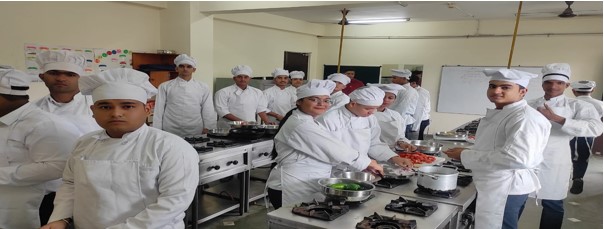
The hospitality department at JIMS is equipped with a specialized training kitchen, mock guest rooms, and a fully functional front desk simulation area, offering students the chance to get practical exposure to hotel operations. With these world-class facilities, JIMS South Delhi ensures that students are well-prepared for real-world challenges in the hospitality industry.
For more details on the infrastructure, you can check the official JIMS South Delhi website www.jimssouthdelhi.com
2. Renowned Faculty with Vast Industry Experience
The faculty members at JIMS South Delhi are highly experienced and come from diverse backgrounds within the hospitality industry. These experts not only impart theoretical knowledge but also share valuable industry insights that help students stay updated with the latest trends and practices in the hospitality field. The faculty members bring their extensive experience to the classroom, providing students with practical knowledge that is directly applicable to their future careers.
The personalized approach to teaching ensures that each student receives the attention s/he need to succeed. With a focus on holistic development, JIMS South Delhi’s faculty is dedicated to grooming future leaders in the hospitality industry.
3. Strong Industry Connections and Internship Opportunities
A major advantage of pursuing hotel management at JIMS South Delhi is the institute’s strong industry connect. The college has partnered with some of the leading hotel chains and hospitality companies, providing students with ample internship and placement opportunities. This ensures that students gain valuable exposure to the industry and build a strong professional network.
Internships are a critical component of the hotel management program, as they allow students to gain hands-on experience in the real world. JIMS South Delhi’s tie-ups with global hotel brands and national hospitality chains enable students to work in prestigious establishments, giving them a competitive edge in the job market.
For more information on the institute’s industry collaborations, visit the www.jimssouthdelhi.com
4. Placement Record and Career Growth
JIMS South Delhi boasts of an impressive placement record, with its students securing positions in leading hotels, resorts, and other hospitality organizations both in India and abroad. The institute’s robust placement cell works tirelessly to connect students with top employers, ensuring that they have access to the best career opportunities.
Not only does the institute focus on helping students land internships, but it also supports their career growth and guides them for post-graduate studies. JIMS South Delhi has established itself as a premier institute for hotel management with its alumni successfully placed in renowned positions such as hotel managers, event coordinators, food and beverage managers, and more.
5. Comprehensive Curriculum and Practical Training
JIMS South Delhi offers a well-rounded curriculum for its hotel management program, designed to equip students with both theoretical knowledge and practical skills. The curriculum covers a wide range of topics, including hotel operations, food and beverage management, hospitality marketing, front office management and more. The course is structured to give students a comprehensive understanding of the various aspects of the hospitality industry.
Moreover, practical training is an integral part of the course, allowing students to apply their learning in real-world situations. Through internships, workshops, and live projects, students are exposed to the practical aspects of running a hotel or hospitality business. This prepares them for the challenges they will face once they step into the workforce.
6. Location Advantage in South Delhi
JIMS South Delhi’s location is another key factor that makes it a preferred choice for students pursuing hotel management. South Delhi is known for its proximity to numerous luxury hotels, restaurants, and hospitality hubs, which provide students with ample opportunities for internships, training, and employment.
Being located in one of the most vibrant and well-connected parts of Delhi, JIMS students have easy access to industry professionals, events, and seminars, enhancing their learning experience. The strategic location further contributes to the holistic development of students, preparing them for careers in both national and international hospitality markets.
7. Affordable Fee Structure
One of the primary concerns for students when choosing an educational institution is the cost. JIMS South Delhi offers a hotel management program with an affordable fee structure, making it accessible to a wide range of students. The institute believes in providing high-quality education at reasonable prices, ensuring that financial constraints do not hinder a student’s ability to pursue their dreams.
Compared to other private institutes in Delhi, JIMS South Delhi offers a cost-effective way to gain a world-class education in hotel management without compromising on the quality of learning.
8. Focus on Holistic Development
JIMS South Delhi believes in the all-around development of its students. The institute not only emphasizes academic learning but also nurtures students’ leadership, communication, and interpersonal skills, which are crucial for success in the hospitality industry. Through extracurricular activities, workshops, and leadership training sessions, students are encouraged to develop qualities that will help them excel in their careers.
The holistic approach to education at JIMS ensures that students graduate not just with technical skills but also with the confidence and personality to thrive in the competitive hospitality industry.
Conclusion
JIMS South Delhi is undoubtedly one of the best choices for students who wish to pursue a career in hotel management. With its world-class infrastructure, experienced faculty, strong industry connections, and excellent placement record, the institute provides students with all the tools they need to succeed in the hospitality industry. The comprehensive curriculum, practical training, and holistic development approach ensure that students graduate as well-rounded professionals ready to take on the challenges of the ever-evolving hospitality sector.
If you’re considering a career in hotel management, JIMS South Delhi should be at the top of your list. Enroll today and take the first step toward a rewarding career in the hospitality industry.
Ms. Rashi Patra
H.O.D.
Department of Hotel Management
JIMS, Vasant Kunj-II
For more information, visit www.jimssouthdelhi.com and explore the various programs offered.
Management Education has been defined as the educational and professional preparation of students for jobs or careers in modern science and technology. Its objectives are the preparation of management graduates for professions that are classed above the skilled and trained crafts but below the scientific or engineering professions
In all sectors of the economy, however, one requires the application of Mathematics. Mathematics is the non-concrete study of topics encircling quantity, structure, space, change, and other properties.
Business Mathematics prepares students and consumers to manage their finances responsibly and profitably by explaining everything they need to know about accounting, economics, marketing, financial analysis and more. Using relevant and authentic applications, business mathematics will help make inflows and outflows of money and commerce make sense, even to the most mathematics-averse individuals.
When it comes to professionals who deal more with capital allocation, such as investment consultants and stockbrokers, understanding investment growth and loss and making long-term financial predictions is a fundamental part of their daily work. Without business mathematics, none of these jobs can function.
For those who own businesses, business mathematics is even more important. Business mathematics can help these individuals to be successful by providing them with solid understanding of how to manage goods and services to juggle discounts, markups, overhead, profits, inventory management, payroll revenue and all of the other complexities of running a business so that career and finance can flourish.The BBA department at JIMS VK-II makes sure that students learn the maths behind the business process before stepping into the commercial world.
Role of Business Mathematics in Business
Business is always surrounded by challenges which need to be dealt with properly so that they do not arise in future. These problems that occur daily can be effectively solved with the help of mathematical models. Hence mathematics not only helps to calculate but also analyze business problems and work on them. Mathematics is an important part of managing business. Hence the introduction of a branch of mathematics is called Business Mathematics and is taught as a subject in BBA.
To know a business, requires skill more than developing a product or providing a service. If a business has to survive and succeed, it needs to look after the finances and make necessary arrangements for it to prosper as well. Understanding business mathematics is very important to maintaining profitable operations and accurate keeping of records. It is required right from the start for pricing products/services till the end when we need to check if the budget was met. Anybody who masters the art of numbers is valued above the others in the corporate world. BBA has had some of the best placements on account of the mathematical aptitude possessed by the students.
Profit Measurement
These require determining the net profit by subtracting the operating costs from the total amount of sales/revenue during a period. What also needs to be deducted are the tax, depreciation, and discount expenses. This helps to find out if the products are being charged enough to contain the business operation and expand.
Financial Analysis
Financial analysis refers to an assessment of the viability, stability, and profitability of a business, sub-business or project. Therefore, to read the revenue and expenses of a business if we need to analyze the financial health of a business. We need to do a sensitivity analysis of how an increase or decrease in sales figures or price could affect the business. It helps in determining how the business would be affected. Using business mathematics helps in making these interpretations and takes the business to a higher level.
Topics Covered in Business Mathematics
Economics, Accounting, and Consumer Mathematics subjects to be taught in a business mathematics course include Simple and Compound Interest, The Time value of money, Future and Present Value of Money, Annuity, Future and Present Value of Ordinary Annuity, Depreciation, Discounts, Profit and Loss, Rates, Taxes, Brokerage, Insurance, Bankruptcy, Foreign Currencies–Exchange, Cash Flow, Pay Back Period, Discounted Cash Flow Techniques, Discounted Pay Back period, Investment Appraisal Techniques, Net Present Value Techniques, Internal Rate of Return, Investments and wealth Management – Loans, Mortgage Finance/ Amortization, Product Inventory, Statistics, Cost Function- Maxima and Minima, Applications of Differentiation and Integration to Business: Demand Function, Supply Function, Cost Function, Profit Function, Elasticity of Demand, Supply and Equilibrium Price etc.
Business mathematics as a unique branch of mathematics is used by commercial enterprises to record and manage business operations. Commercial organizations use mathematics in accounting, inventory management, marketing, sales and forecasting, and financial analysis. Hence, Business Mathematics include Business Statistics which has great impact in preparing students studying for the award of a Management Degree from Jagannath Institute of Management Sciences for the development of relevant skills and knowledge specifically in Business as stipulated in the aims and objectives of establishing a management institute in India.
In the digital age, technology careers have become synonymous with success, offering exciting opportunities and high-paying jobs. With industries constantly evolving and technology advancing at a rapid pace, the graph for the demand of skilled IT professionals is increasing with time. If you are finishing your 12th grade and are looking for a career that promises not only personal growth but also financial rewards, a Bachelor of Computer Applications (BCA) could be the perfect path for you.
Among the many educational Institutions offering Best BCA placement college in Delhi NCRJIMS Vasant Kunj II College in Delhi stands out as an excellent choice. Known for its academic excellence, state-of-the-art infrastructure, and strong industry connections, JIMS provides a comprehensive BCA program that helps students to build up a career. In this blog, we will explore how best BCA College in Delhi NCR at JIMS Vasant Kunj II College can unlock your future and lead you to high-paying jobs in technology.
1. Why Choose BCA after 12th?
Choosing the right career path after 12th is one of the most important decisions in a student’s life. While there are numerous career options available, pursuing a BCA degree can be a game-changer, especially for students who are passionate about technology and computer science.
The BCA program is a three-year undergraduate course that equips students with the knowledge and skills necessary to pursue a successful career in the IT sector. The course focuses on key areas such as programming languages like C, C++, Python, database management, networking, software development, and web development. As technology demand in industries worldwide increases, the demand for skilled professionals in IT sector increases day by day. A BCA degree prepares students for various roles in the technology industry, from software development to data analysis and cybersecurity.
2. Why BCA at JIMS Vasant Kunj II?
When it comes to pursuing a BCA degree, JIMS Vasant Kunj II College offers a cutting-edge program that combines academic rigor with practical exposure. Here are some reasons why JIMS Vasant Kunj II College is the ideal choice for students seeking a career in technology:
a. Comprehensive Curriculum
JIMS Vasant Kunj II College offers a comprehensive BCA curriculum designed to provide students with a deep understanding of computer applications and IT principles. The curriculum covers a wide range of subjects, including:
Programming Languages: Students learn popular programming languages such as Java, C++, Python, and PHP that are essential for a career in software development.
Web Development: The course includes HTML, CSS, JavaScript, and other technologies used to build modern web applications.
Database Management: Students gain hands-on experience in managing databases using tools like MySQL, SQL Server, and MongoDB.
Networking: Students learn about network configuration, security, and management which are critical in today’s interconnected world.
Software Engineering: The program emphasizes the principles of software development, testing, and maintenance, helping students understand how to design and deploy software solutions.
b. Industry-Relevant Skills
At JIMS Vasant Kunj II, the BCA program is designed to ensure that students acquire industry-relevant skills that are in high demand. The main aim of college is to give students practical knowledge and exposure to emerging technologies such as:
Mobile Application Development: With the rise of smartphones, learning mobile app development for platforms like Android and iOS is a crucial part of the curriculum.
Cloud Computing: AWS, Microsoft Azure, and Google Cloud, enabling students to understand cloud-based technologies and solutions.
Cybersecurity: As cybersecurity threats continue to evolve, JIMS equips students with skills in cryptography, ethical hacking, and network security.
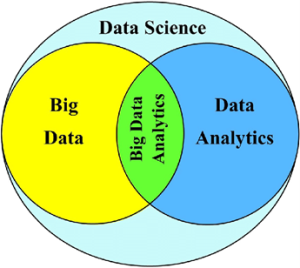
Data Science and Big Data: The BCA program introduces students to data analysis, machine learning and big data technologies, which are integral to various sectors today.
c. Experienced Faculty
The faculty at Best BCA college without Maths in Delhi NCR in JIMS Vasant Kunj II College is composed of experienced professionals with deep expertise in computer science and technology. The professors not only have strong academic backgrounds but also real-world industry experience, ensuring that students gain valuable insights into the technology industry. This combination of academic knowledge and practical expertise helps students stay ahead of the curve and gain the skills needed to excel in their careers.
d. State-of-the-Art Infrastructure
The college includes modern infrastructure like well-equipped computer labs, high-speed internet, and access to the latest software and tools used in the industry. This environment allows students to gain hands-on experience with the technologies they learn about in the classroom. Students also have access to a range of online resources, enabling them to stay updated on the latest trends in the technology world.
e. Placements and Career Support
One of the prominent features of Best BCA placement college in Delhi NCR JIMS Vasant Kunj II is its impressive placement support. The college has strong connections with top tech companies, including Tata Consultancy Services (TCS), Accenture, Cognizant, Infosys, Wipro, HCL Technologies, and many more. The placement cell at JIMS Vasant Kunj II College works tirelessly to ensure that students are well-prepared for job opportunities after they complete their BCA degree.
JIMS offers extensive support through career counseling, mock interviews, resume building workshops, and internship placements, ensuring that students are ready to secure high-paying roles. The college has a strong track record of successful placements, with many students landing jobs with top companies immediately after graduation.
3. How BCA Leads to High-Paying Jobs in Tech
A Best BCA College without Maths in Delhi NCR opens the door to a wide variety of high-paying job opportunities in the ever-expanding tech sector. Let us take a look at some of the top career options for BCA graduates:
a. Software Developer
Software development is one of the most sought-after career paths for BCA graduates. As a software developer, you will be responsible for writing, testing, and maintaining code for software applications. With the ever-growing need for software in businesses and organizations, the demand for skilled developers is high. BCA graduates with strong coding skills can command impressive salaries, especially if they are proficient in programming languages like Java, Python, and C++.
b. Data Scientist
With the increasing importance of data in decision-making, data science has emerged as one of the most lucrative fields in the tech industry. As a data scientist, you will analyze vast amounts of data to extract meaningful insights that help businesses make informed decisions. BCA graduates who specialize in machine learning, data analysis, and artificial intelligence are in high demand and can earn top salaries.
c. Cybersecurity Expert
As cyber threats continue to rise, companies are seeking professionals who can safeguard their data and networks. A cybersecurity expert is responsible for protecting an organization’s IT infrastructure from cyberattacks. This role requires expertise in ethical hacking, network security, and cryptography, which are integral parts of the BCA program at JIMS Vasant Kunj II College.
d. Cloud Architect
Cloud computing is all about storing the data and processing it. As a cloud architect, you will design cloud infrastructure for companies to help them scale efficiently and securely. With cloud platforms like AWS, Google Cloud, and Microsoft Azure gaining popularity, this role is in high demand and offers high salaries for those with expertise in cloud technologies.
e. Blockchain Developer
Technology of Blockchain is growing day by day and it is used in various industries. As a blockchain developer, you will be responsible for developing decentralized applications and blockchain solutions. BCA graduates with expertise in blockchain and cryptocurrency technologies can secure high-paying roles in this cutting-edge field.
4. Conclusion
A BCA degree from JIMS Vasant Kunj II College offers the perfect blend of academic excellence, industry-relevant skills, and placement opportunities that ensure graduates are well-equipped to succeed in the fast-growing tech industry. With a solid curriculum, experienced faculty, state-of-the-art infrastructure, and a dedicated placement cell, JIMS Vasant Kunj II College ensures that its students are prepared for high-paying jobs in fields such as software development, data science, cybersecurity, cloud computing, and blockchain development.
By choosing Best BCA placement college in Delhi NCR at JIMS Vasant Kunj II, you are not just pursuing an academic degree; you are taking the first step toward a successful and prosperous career in technology. Whether you are aiming to work with industry giants like TCS, Accenture, or Infosys, or you plan to innovate in emerging fields like cloud computing or blockchain, the opportunities that await you are vast and rewarding.
So, if you are passionate about technology and eager to build a high-paying career in IT, BCA at JIMS Vasant Kunj II College is the ideal choice to unlock your future.
Radio is one of the earliest forms of communication used for exchange of culture, information and entertainment with audience. Since, its invention, it has been widely used as a communication tool worldwide reaching mass audience. Being the most effective form of mass communication, it provides several benefits including prompt communication, extensive reach, cost effectiveness and portability. The students in JIMS VK-II are instructed in , amongst the other things, the subtlest nuances of Radio Broadcasting.
Radio is an effective medium of mass communication used to inform, educate and generate awareness amongst the masses. Since years, radio is being widely used as an educational tool to communicate essential facts related to heath, agriculture, weather updates and various other significant information required for public welfare, making it convenient for public to have access to crucial information. Further, radio is also popularly used for entertainment purpose. Music and talk shows, for instance, provide a variety of content to the listeners. Apart from this, there are various programs that discuss topics related to politics, culture and society, hence, providing an eclectic mix of informative programs.
To provide hands-on experience , the Department of Journalism and Mass Communication at JIMS VK-II offers its students access to community radio station set up by the college , where they can produce and broadcast a diverse range of programs, gaining practical insight into the workings of radio.
However, with the advent of technology, there has been a significant shift of audio listeners from radio to podcasts, resulting in a change in the listening pattern of the listeners. It is a part of digital media that allows an individual to create a series of audio content for the listeners. This is also way more flexible than traditional radio, where people are only allowed to listen to the content at a fixed time. Podcasts offer on-demand access to the users where listeners can choose what they want to listen and where they want to listen.
Similar to radio, podcasts also offer a wide variety of content for the listeners ranging from news, education, health, technology and entertainment. However, one of the greatest advantages of podcasts is that they create a niche for the listeners, which means listeners can listen to the programs of their choice.
Further, like radio, podcasts also offer a great amount of accessibility, allowing users to access the content through various streaming platforms free of cost. For instance, there are many platforms which can be also be subscribed by users like Spotify, Google podcasts and Apple podcasts. Unlike, radio, podcasts not only offer audio content, but some podcasts also provide listeners with video podcasts also. Thus making the podcast more engaging and entertaining. Since, podcasts are more flexible and provide on the go entertainment to the listeners, podcasts are expected to grow continuously. With the advancements in technology, listeners can expect even more advanced features and innovations.
The evolution of podcasts over conventional radio listening signifies a major transition in audio listening among the listeners. Although both radio and podcasts have identical features yet evolution in technology reflects a huge shift in culture and audience behavior towards audio medium. Since, the students of JIMS VKII BMC College in South Delhi are the future journalists, it is important for them to learn the various aspects of audio listening. The Department of Mass Communication of South Delhi JIMS VKII aims to provide a comprehensive learning of the audio medium and other important aspects of the media industry.
Interior design is a thrilling profession where creativity meets functionality. This field allows you to transform ordinary spaces into extraordinary environments that positively impact emotions, productivity, and well-being. Interior designers are visionaries who combine technical expertise with artistic flair to craft spaces that are not only beautiful but also practical and sustainable.
What is Interior Design?
At its core, Interior Design is the harmonious fusion of art and science to enhance the interiors of structures for both aesthetics and utility. It involves delving into architecture, spatial configurations, color dynamics, lighting design, and material selection. Interior designers tackle projects ranging from cozy homes to sprawling commercial complexes, luxury hotels and cutting-edge healthcare facilities. For those aiming to secure interior design jobs or prestigious interior designer positions, this field promises diverse and exciting opportunities.
Creativity and Vision: A knack for aesthetics and the ability to transform abstract ideas into tangible designs.
Technical Proficiency: Mastery of tools like AutoCAD, SketchUp, and Adobe Creative Suite is crucial for modern designers.
Problem-Solving Aptitude: Innovatively resolving structural and logistical challenges during a project.
Collaboration and Communication: Building rapport with clients and collaborating effectively with architects and contractors.
Meticulous Attention to Detail: Ensuring every design element aligns perfectly to create a cohesive space.
Education and Training
Becoming an Interior Designer typically requires a Bachelor’s Degree in Interior Design or a closely related field. Coursework often covers architectural principles, CAD software, color theory, and spatial planning. Practical exposure through internships and real-world projects is invaluable for honing skills and creating a compelling portfolio. For those seeking advanced roles in Interior Design jobs, certifications like the National Council for Interior Design Qualification (NCIDQ) can provide a competitive edge.
Interior design offers a plethora of career paths, including:
Residential Design: Crafting unique and personal living spaces tailored to individual needs.
Commercial Design: Designing functional and visually appealing office spaces, retail stores, and other commercial areas.
Hospitality Design: Focusing on luxury environments like hotels, resorts, and upscale dining venues.
Sustainable Design: Creating eco-conscious spaces that prioritize energy efficiency and environmental responsibility.
Set Design: Bringing scenes to life for movies, TV, and theater productions.
If you are exploring Interior Design jobs or searching for specific roles like senior Interior Designer positions, the industry has a wealth of opportunities. Specialized jobs involving Interior Design also offer career growth and a chance to showcase your expertise in niche areas.
The Future of Interior Design
The future of Interior Design lies in adaptability and innovation. Emerging trends like biophilic design, smart home integration, and sustainability are reshaping the industry. Designers who embrace these advancements will lead the way in crafting spaces that not only look stunning but also cater to modern lifestyle needs. The growing demand for wellness-centric interiors also opens new avenues for interior jobs focused on enhancing mental and physical well-being.
Tips for Aspiring Interior Designers
Develop a Standout Portfolio: Highlight your best work and demonstrate versatility across various styles.
Stay Ahead of Trends: Regularly update your knowledge on industry developments and innovative technologies.
Network Actively: Attend events, join design forums, and connect with industry professionals to expand your reach.
Pursue Practical Experience: Internships and freelance projects are great ways to enhance your skills and build credibility.
Commit to Lifelong Learning: Enroll in advanced courses or workshops to continuously refine your craft.
Conclusion
Interior design is more than a career-it is passion that blends creativity with technical expertise to shape spaces that inspire and lend comfort. Whether it is a cozy home, a bustling office, or an elegant hotel, interior designers leave an indelible mark on their surroundings. If you are eager to explore Interior Jobs or envision a thriving career in this field, now is the perfect time to dive into this vibrant industry. Opportunities await at every corner for those ready to unleash their creative potential.
The hospitality industry is rapidly evolving, with exciting trends shaping its future in 2025. Whether you are a student aspiring to join the field or simply curious about the changes, understanding these key trends will give you a clear picture of the industry’s direction. Here is a look at the top trends that will define hospitality this year.
Technology Taking Over
Technology is at the heart of the hospitality transformation. Hotels are using AI to predict guest preferences, allowing them to offer tailor made services, from room upgrades to special amenities. Smart rooms equipped with IoT (Internet of things) Devices that allow guests to control lighting, temperature, and entertainment via mobile apps or voice commands, enhancing comfort and convenience.
Sustainability is the Key
Sustainability has become a top priority for both consumers and businesses in the hospitality sector. Green practices are now essential to attracting eco-conscious travelers. Hotels are adopting energy-efficient systems such as solar panels and LED lighting; use of these and other eco-friendly practices are just a few of the ways the industry is becoming more sustainable.
Personalized Experiences
Today’s travelers expect personalized experiences that cater to their individual preferences. Thanks to advancements in data analytics and customer relationship management (CRM) systems, hotels can offer highly customized services. The rise of wellness tourism is also significant in 2024, as many guests seek relaxation and health-focused experiences such as spa treatments, fitness programs and mindfulness activities.
Experiential Travel
Travelers are no longer satisfied with simply visiting a destination; they want to live it. Experiential travel is on the rise as more people seek authentic, immersive experiences. Whether It is taking part in local cultural activities, exploring nature through eco-tourism, or learning traditional cooking techniques, travelers today want deeper connections with the places they visit.
Remote Work and Longer Stays
Remote work continues to influence travel trends. With the rise of work-from-home opportunities, more people are combining work with travel, opting for extended stays in destinations that offer a good work-life balance. Hotels are responding by offering “work station” packages that include high-speed internet, quiet workspaces and plenty of leisure options for after-hour relaxation.
6. Social Media and Influencer Power
Social media remains a powerful force in the hospitality industry. Platforms such as Instagram & YouTube play a huge role in shaping consumer decisions. Travelers are increasingly influenced by user-generated content and the experiences shared by influencers. Hotels and restaurants are leveraging these platforms to showcase their unique offerings and attract new guests.
For students looking to pursue a career in hospitality, the right education is essential. JIMS VKII is one of the best choices for those interested in hotel management courses. With a focus on both practical skills and theoretical knowledge, the institute offers a comprehensive curriculum that prepares students for the evolving hospitality landscape. Whether it is understanding the latest technological advancements, mastering sustainability practices or learning how to create memorable guest experiences, JIMS VKII provides tools and resources needed to succeed in this dynamic field.
Conclusion
The hospitality industry in 2024 is driven by technology, sustainability and personalized guest experiences. As travelers become more demanding and the industry adapts, these trends will continue to shape how businesses operate. For those looking to enter the field, institutes such as Jagannath Institute of Management Sciences VKII are excellent stepping stones to gain the knowledge and skills needed to thrive in the hospitality industry’s exciting future.