
Lighting is one of the powerful elements in interior and exterior design. It does more than just make a space bright. It shapes the mood, supports the function, improves comfort highlights features and changes how colors and materials appear. A space that looks great in daylight can quickly lose its appeal if the lighting is not planned carefully.
One way to get lighting right is, by using lighting. This means combining types of light—ambient, task and accent—so each one plays its own role. Of depending on just one light source, like a single ceiling lamp designers place lights at various levels and positions. This approach creates a space that feels well-balanced, practical and adaptable.
Understanding the Three Layers of Lighting
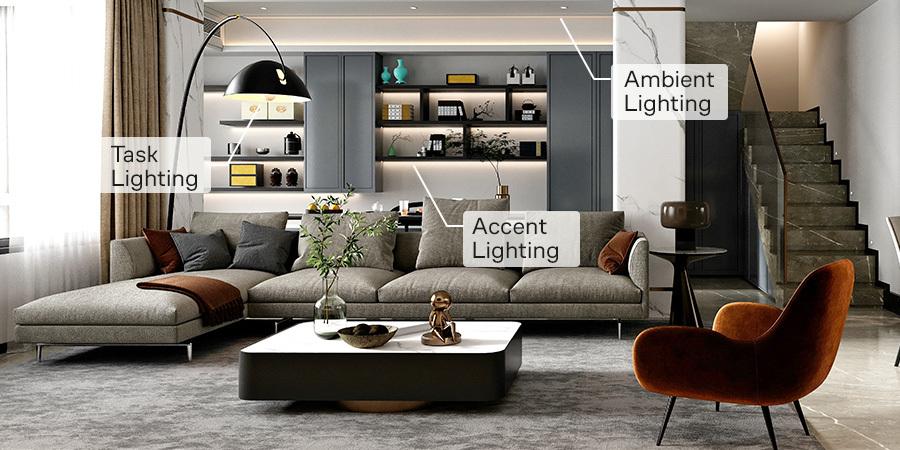
Lighting often has three layers.
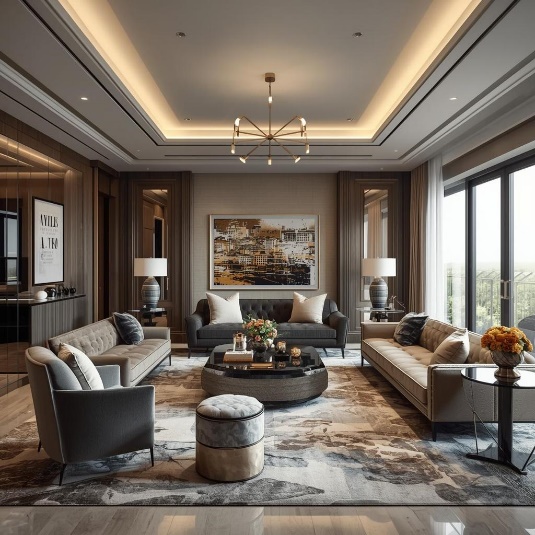
Ambient lighting provides the glow that helps people move around easily and creates the look of the room. Recessed down lights, ceiling fixtures, chandeliers, pendant lights, cove lighting and wall-mounted fixtures can all help create lighting.
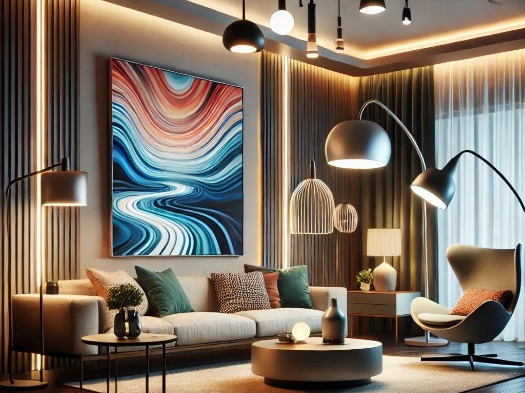
Task lighting offers focused light where it is needed. A few of the examples of this type of is a lighting is a reading lamp by a sofa or by a bed, lights under a kitchen cabinet, a desk lamp in a study or a light over a work surface.
Accent lighting shines on items to make them stand out. Artwork, textured walls, sculptures, plants, architectural details, shelves and display items can all be highlighted with spotlights, track lights, wall washers or hidden LED strips.
The strength of lighting comes from how these three layers work. A room can be bright when needed, soft for relaxing or bold for entertaining all using the lighting plan.
Layered lighting in interiors helps spaces become more functional and adaptable. People do things throughout the day, so having lighting that can change with those needs makes a big difference.
Layered Lighting in Residential Spaces
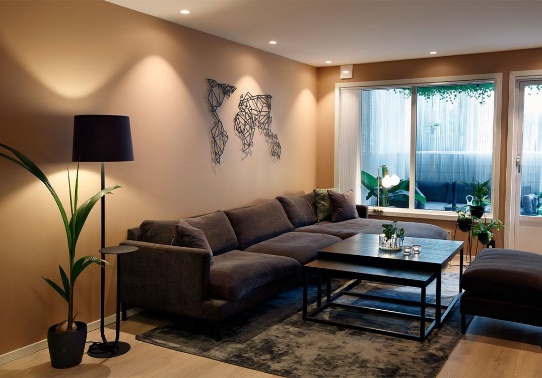
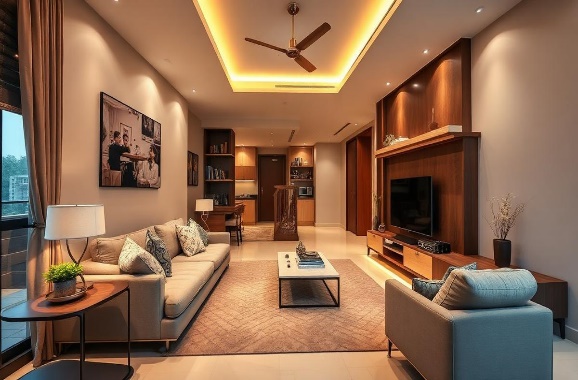
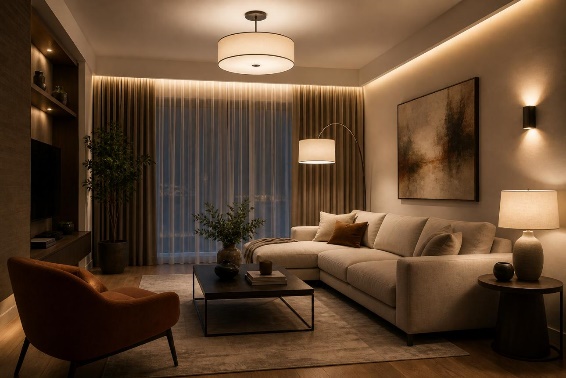
In a living room ceiling lighting provides light for relaxing or socializing. A floor lamp or a table lamp adds task lighting, which is helpful when reading or doing small activities. Accent lighting can highlight art pieces, a feature wall, bookshelves, plants or any architectural details that stand out.
Bedrooms benefit from a mix of lighting types too. Ambient lighting keeps the room bright and welcoming. Lamps on bedside tables give light for reading before sleep. Hidden lighting near wardrobes or behind headboards adds a glow. This kind of lighting improves practicality without taking up space.
Kitchens require planning. Ceiling lights deliver illumination making it easier to move and cook. Lighting under cabinets shines directly on countertops helping with food preparation. Hanging lights above an island or breakfast area focus on work zones adding both function and style.
Bathrooms also use lighting well. Ceiling lighting offers coverage while lights around mirrors or vanities provide light for grooming. Accent lighting, near storage areas or shelves creates depth. Enhances the look of the space. It makes the bathroom feel more refined and inviting.
Layered Lighting in Commercial Spaces
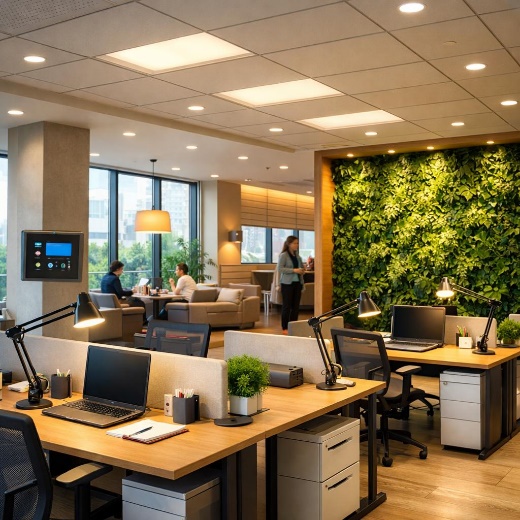
In places where people work or eat, like offices, restaurants, hotels, studios and schools lighting must balance needs with style.
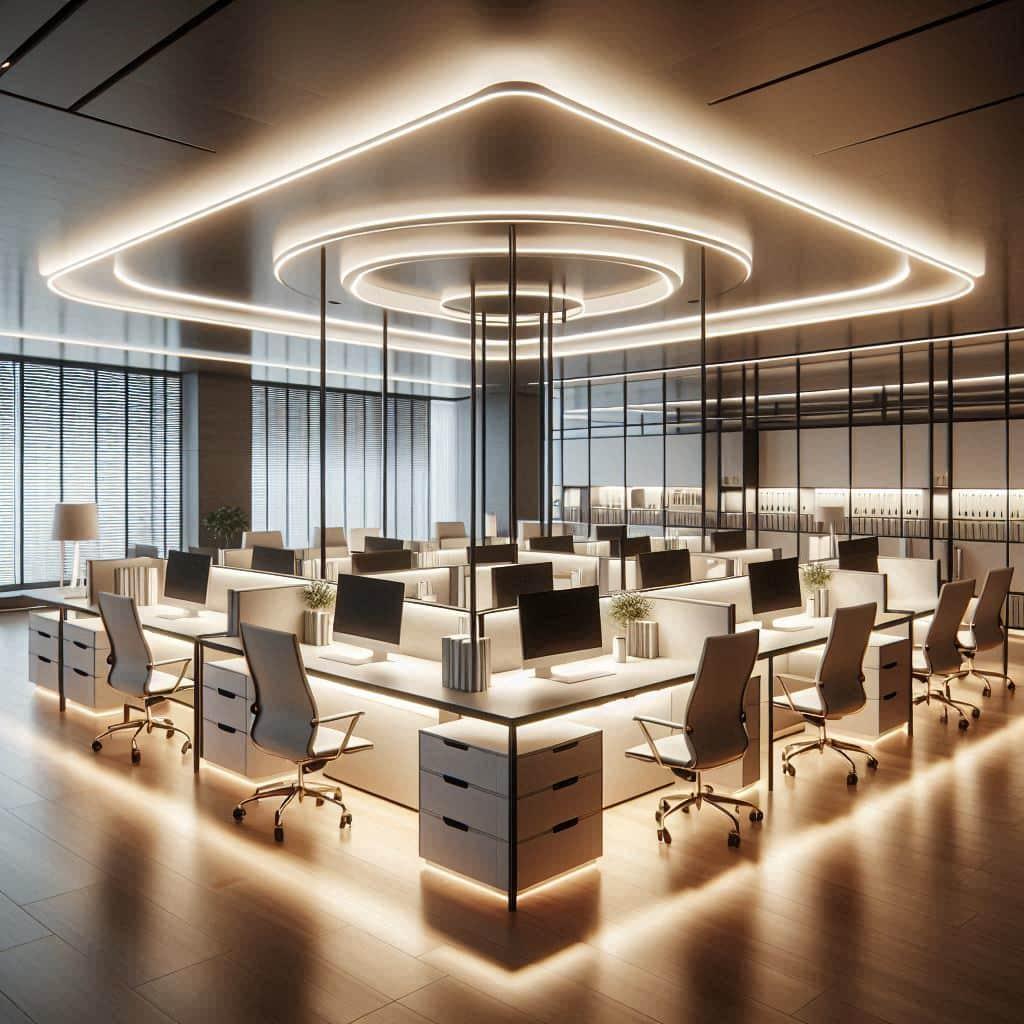
I think in an office ambient lighting provides brightness.
Task lighting helps with reading, writing, computer use and meetings.
Accent lighting can then highlight reception desks, branding signs, artwork, feature walls or special architectural details.
At restaurants and hospitality spaces lighting layers help create moods. Brighter lighting works well in entrances and hallways. Softer, warmer lighting makes dining areas feel cozy and relaxed. I believe that lighting should be considered part of the building and interior design plan, from the beginning not treated as a finishing touch.
The Role of Lighting in Retail Design
Retail environments rely a lot on lighting because how things look depends on how they’re lit. Light affects the way customers see products, displays, colours, textures and materials. Good lighting can make a difference in how people feel about what they are looking at.
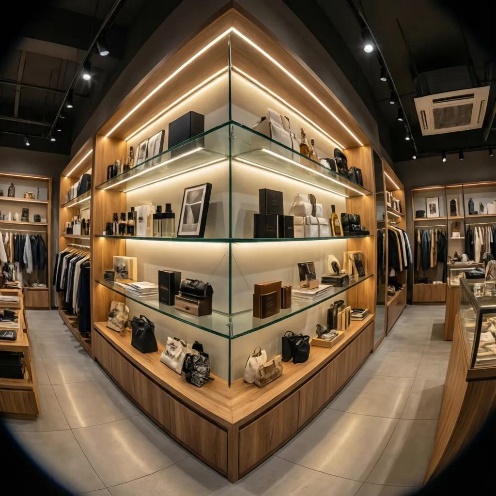
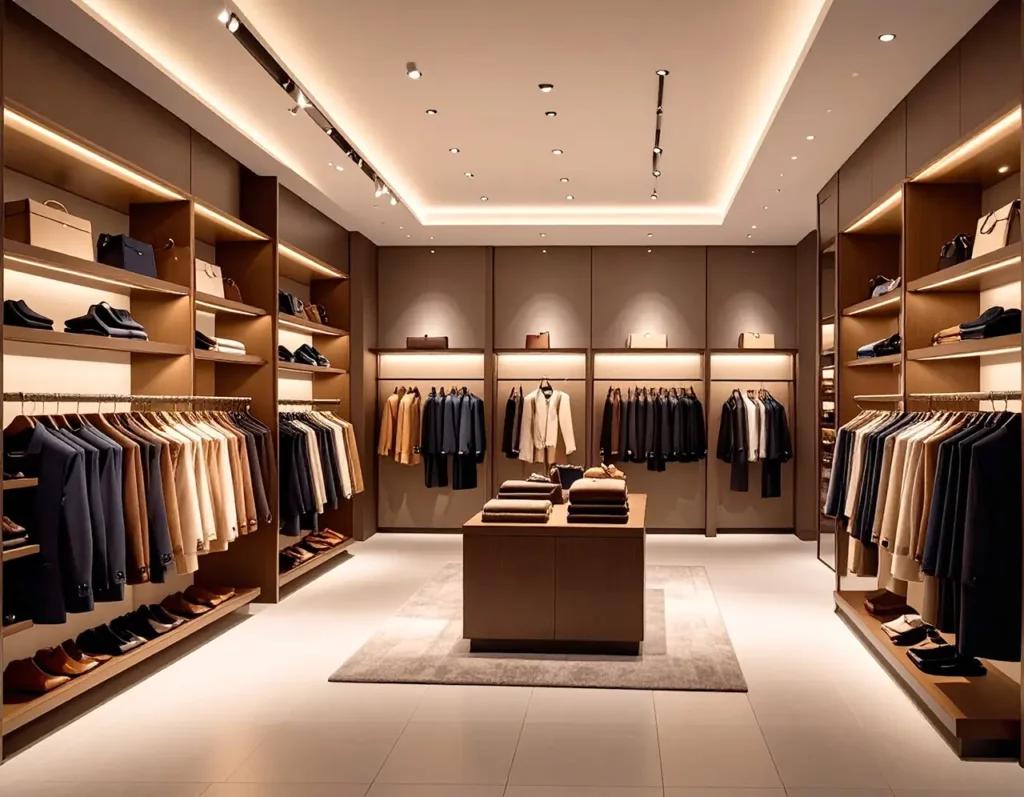
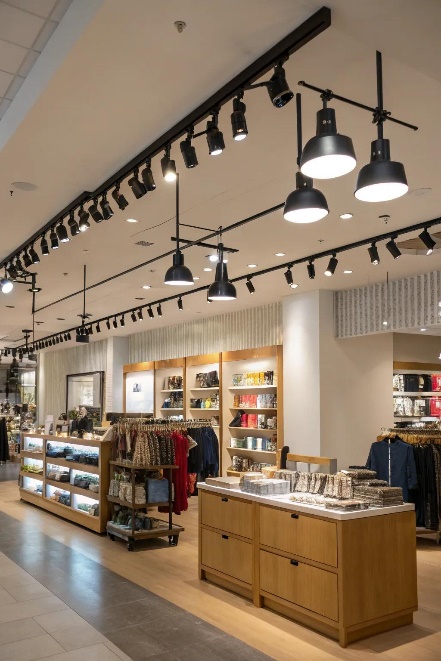
Ambient lighting gives the store its base brightness. It creates the mood and makes the space feel welcoming. On the other hand, accent lighting is used to draw attention. It shines on things like featured products, mannequins, shelves, window displays or areas with promotions.
For instance, track spotlights can focus on a fashion collection to make it stand out. LED strips that are built into shelves can light up the display and add a sense of depth. Using levels of light intensity helps separate parts of the store. A lit section might be for new arrivals while a softer light area could be for more relaxing browsing.
The colour temperature of the light is also important. Warm light can make a space feel cozy while cool light can feel more modern. The light should also show colours accurately so customers can see the tone of fabrics, paints or other materials. This is especially crucial, in stores selling clothes, cosmetics or paint.
The lighting scheme needs to match the brand’s identity. If a store wants to feel premium and elegant the lighting should support that image. It should also keep products looking sharp and clear. When lighting works with the design customers are more likely to stay longer and buy more.
Layered Lighting in Exterior Design
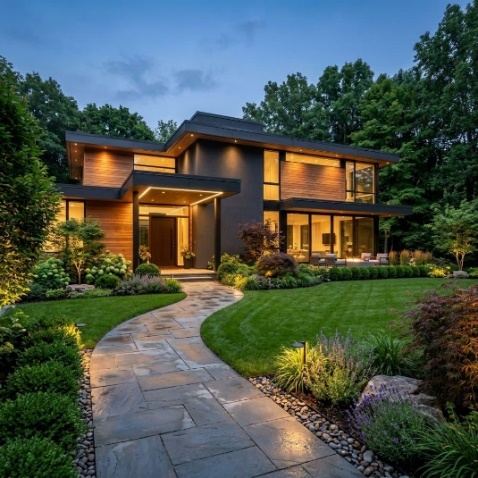
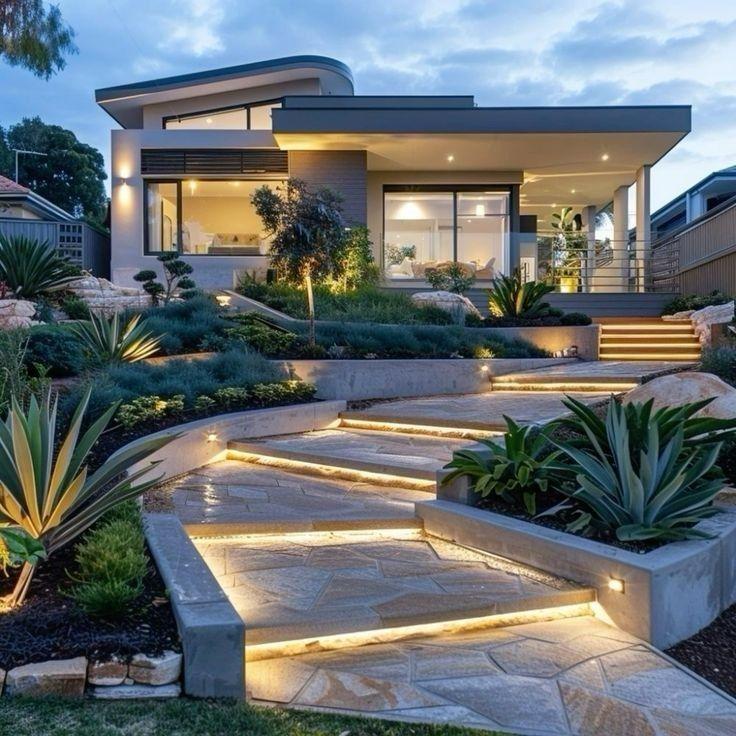
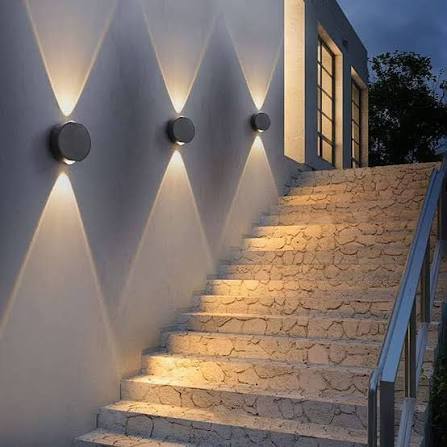
The idea of lighting goes well beyond indoor spaces. It also works outside where lighting can change how buildings look at night. Think about building facades, gardens, paths, balconies, terraces, courtyards and outdoor seating areas. After the sun goes down the right lights can make these areas come alive.
Ambient exterior lighting gives a glow that lights up entrances, driveways, pathways and courtyards. It creates a feel and helps people see where they are going. Task lighting is more practical. It makes sure areas like steps, outdoor kitchens, seating zones and entrances are safe and easy to use. You need visibility where people are doing things. Accent lighting adds drama. It draws attention to features like trees, sculptures, fountains, textured walls, plants and the architectural details of a building. These lights don’t just brighten a space—they make it stand out adding depth and beauty. The concept of lighting extends beyond interiors. Exterior lighting can transform building façades, gardens, pathways, balconies, terraces, courtyards and outdoor seating areas after sunset. Ambient exterior lighting can illuminate entrances, driveways, pathways and courtyards. Task lighting can improve visibility, around steps, outdoor kitchens, seating areas and entrances. Accent lighting can highlight trees, sculptures, water features, textured walls, landscaping and architectural details.
Creating Flexible Lighting Scenes
Modern lighting controls help make layered lighting work well. Dimmers, sensors, timers and smart lighting systems let people adjust lighting based on what people’re doing and what time of day it is. For example a living room can have a lighting setting for cleaning a lighting setting for when people are together and a softer lighting setting for when someone wants to relax in the evening. Similarly stores and offices can set up lighting scenes for regular work, special events or when they need to display something
Conclusion
Layered lighting is not about putting in more light fixtures. It is about using types of light in a smart way to bring balance, depth and a good feel to a space. It also helps with function and the overall mood. From homes like living rooms and kitchens to places, like offices, restaurants, shops, gardens and the outside of buildings combining kinds of lighting helps designers shape how a place looks and feels. When lighting is planned with the architecture, the materials used, the furniture, the outside space and what people need it becomes a key part of the whole design. The end result is a place that is not only bright but also comfortable easy to use, interesting to look at and something people remember.
Ar. Soniya Tiwari
Assistant Professor
Interior Design Department